Global Running Day 2026: AI, Wearables and the Connected Run in the UK
Global Running Day 2026 is 3 June: Apple Watch challenge, Strava AI and the best AI running coaches of the year.
by Cleverson Gouvêa
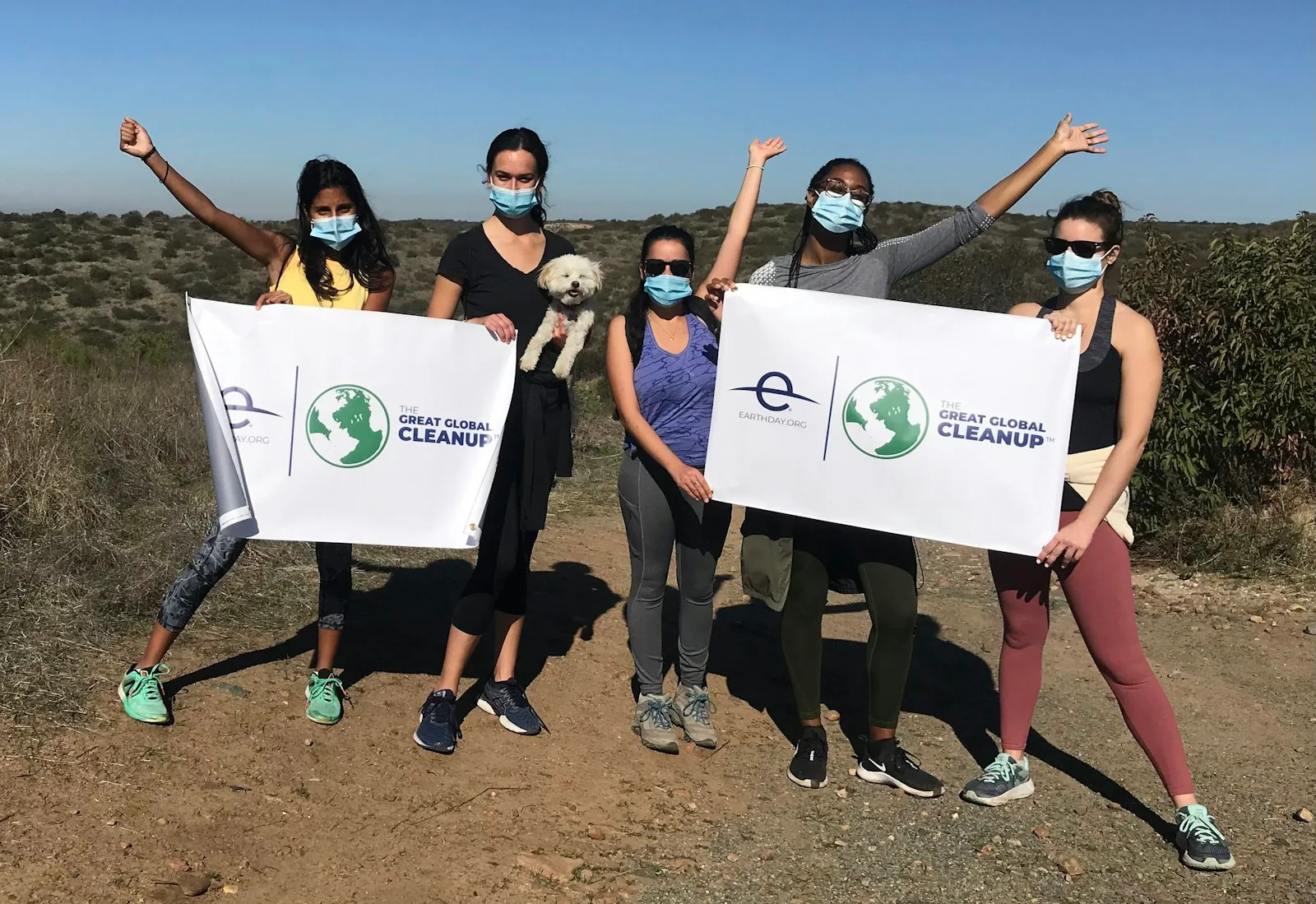
The Global Running Day 2026 falls on Wednesday, 3 June, and running has never been so connected. From the digital medal Apple released on the Apple Watch to the artificial intelligence coach that reads your heart rate on Strava, the day is no longer just about lacing up your trainers and heading out. I've gathered what has really changed this Global Running Day — and what matters for runners and for businesses.
TL;DR
- Global Running Day takes place on the first Wednesday of June — in 2026, on the 3rd.
- It started in 2009 as National Running Day in the US and went global in 2016, with 2.5 million people from 177 countries and over 9.2 million miles on its debut.
- Apple created an Apple Watch challenge: run 5 km on 3/6 and earn a digital trophy plus animated stickers; Fitness+ launched a new treadmill workout.
- AI now analyses every run: Strava's Athlete Intelligence summarises pace zones and heart rate, and 46% of athletes say they would accept an AI coach.
- Garmin Run Coach, Runna and TrainAsONE compete for the best AI running coach in 2026.
What is Global Running Day and why 3 June matters
Global Running Day is an annual event that always falls on the first Wednesday of June. The idea is simple and almost stubborn in its simplicity: to persuade as many people as possible to run on the same day, any distance, at any pace. It's not a race, there's no official timer, no podium. It's collective movement.
The origin dates back to 2009 in the United States, when the day was launched as National Running Day. On 1 June 2016, it became a worldwide event: the first global edition brought together, according to organisers, more than 2.5 million people from 177 countries, who committed to running over 9.2 million miles. New York Road Runners played a central role in that transition, and in 2017 the international athletics federation joined as a supporter, giving institutional weight to the date.
In 2026, Global Running Day reaches its 11th edition as a global event. And the backdrop has changed: running in 2026 is also about generating data. Strava alone ended 2025 with over 180 million users in more than 185 countries, and running remained the most recorded activity on the platform. Every Wednesday start now feeds a graph, an AI summary and, often, a marketing campaign.
Apple on Global Running Day 2026: Apple Watch challenge and Fitness+
The hot news this year came from Apple. On 3 June 2026 itself, the company activated the "Global Running Day Challenge" on the Apple Watch. The rule is straightforward: record a running workout of at least 5 km (3.1 miles) to unlock the reward.
Those who complete it earn a digital trophy and four animated stickers for the Fitness app — including someone running in a dinosaur costume, two people running together, a runner with their dog, and the official 2026 challenge badge. It's pure gamification, and it works: the feeling of "missing" the day's badge motivates many people to hit the streets.
In the same move, Apple Fitness+ launched a new treadmill workout, led by trainer Sherica Holman alongside Danielle Burnett, founder of the running club "Big Girls Who Run". The workout is short and intense: six maximum intervals of 30 seconds each. If you follow the Apple ecosystem, it's worth cross-referencing this with what I've already covered about the iOS 26 and Apple Intelligence news — the watch is just the visible tip of a much larger health strategy.
Running has become data: what AI does for the runner
Here is the real change behind Global Running Day 2026: running is no longer just effort — it has also become data reading. The best example is Athlete Intelligence, a Strava feature that uses generative AI to turn the numbers from each workout into a plain-language summary.
In practice, it compares your performance with the last 30 days, highlights gains and patterns, shows how much time you spent in each pace and heart rate zone, and suggests what to adjust in your next workout. One important detail: it doesn't train you — yet. It comments, celebrates achievements and gives tips, but it doesn't build the plan. And it's not free: Athlete Intelligence is exclusive to the paid subscription.
The appetite for this is clear. In Strava's annual report, 46% of respondents said they would use AI as a sports coach, with Generation Z embracing the idea more than others. The platform also bought Runna in 2025, a sign that AI-powered running has become a market battle, not an experiment. If you want to understand the broader logic of assistants that act on your behalf, I wrote about what AI agents change in practice — running is just another arena where this lands.
And it's not just performance: data has also become community. The same Strava report pointed to 14 billion "kudos" exchanged between athletes in 2025, a 20% jump over 2024, and nearly a quadrupling in the number of new clubs, which reached 1 million in total. Another detail many ignore: walking has surged and overtaken cycling in volume of recordings, second only to running. In other words, AI is not just refining the training of those who already compete — it is accompanying a base that is growing precisely among those who run slowly, walk and use technology more for consistency than for records. It is this broad audience that dates like this get moving on the same day.
AI running coaches: Garmin, Runna and TrainAsONE
If Strava analyses, others already train in earnest. In 2026, the AI running coach market has become crowded — and each app solves the problem differently. It's worth understanding the differences before subscribing to anything.
| App | How it works | Plan adaptation | Cost |
|---|---|---|---|
| Garmin Run Coach | Pre-built plans that adjust pace based on your workouts | Conservative: adjusts pace, doesn't restructure | Free on Garmin Connect |
| Runna (Strava) | Structured plan synced to watch, now under Strava's direction | Yes, by training block | Subscription |
| TrainAsONE | Generates a 100% individual plan from scratch via AI | Daily, session by session | Subscription (limited free tier) |
| Type to Run – Weekly Coach | Conversation interface builds the week's plan and syncs with Garmin | Weekly, as you report each workout | Subscription |
| Strava Athlete Intelligence | Summarises each workout with generative AI | Doesn't train — only analyses | Strava Premium |
The point that separates the good from the mediocre is adaptation. Static PDF plans assume your week is perfect. Serious AI — like TrainAsONE, which builds everything from scratch, or Type to Run, launched in early 2026 — reacts to the workout you actually did, not what was on paper. That's where it reduces injury and genuinely improves results.
Wearables in 2026: the hardware behind the AI
None of these features work without the watch on your wrist. The wearable is the sensor that feeds the AI — and Global Running Day exposes who dominates this market.
Strava's own 2025 data shows the Apple Watch dominating among devices that upload workouts to the platform, with COROS appearing as the fastest-growing brand and Garmin solid among more dedicated runners. It's no coincidence that Apple tied the Global Running Day challenge to its watch: each badge earned reinforces the ecosystem.
The logic is always the same. The watch measures heart rate, pace, variability and even training load; the AI in the cloud interprets it. The better the sensor, the more reliable the advice. That's why running drives much of the innovation in wearables — and this wave doesn't stop at the wrist. Smart glasses are already entering the conversation, as I detailed in the analysis of Ray-Ban Meta AI glasses in 2026.
Brands and Global Running Day: how to turn the date into a campaign
If you manage a brand, Global Running Day is a gift on the calendar. The date has concentrated search volume, an engaged audience and a single, clear gesture — running. Don't let it pass thinking it's only for athletes.
Some ways to take advantage without sounding opportunistic:
- Useful content on the right day: publish a guide, route or playlist on the eve and morning of the 3rd, when searches for "global running day" spike.
- Your own challenge: mirror Apple's logic. A badge, a 5 km goal, a prize draw for those who post their workout with your hashtag.
- Local partnerships: running clubs have grown a lot — Strava recorded nearly 1 million active clubs. Sponsoring a group run yields real presence and content.
- Targeted paid traffic: run campaigns for audiences interested in running, fitness and wearables in the week of the date, with creatives that speak about movement, not sales.
The classic mistake is to go in with a generic "celebrate sport" piece. It works better to deliver something concrete — a workout, a discount on trainers, a challenge with a prize. It's the same principle as any good seasonal campaign: relevance at the exact moment attention exists.
When AI in running gets in the way
Not everything is a pretty badge. AI in running has pitfalls, and it's worth knowing them before handing your training over to an algorithm.
The first is overconfidence. A well-written summary looks authoritative, but Strava's AI and others comment on what the sensors captured — and sensors make mistakes, especially with heart rate during intense running. Treating the suggestion as medical advice is a recipe for overtraining.
The second is the "individual" plan that is hardly individual. Apps that start from a template and only adjust the pace deliver something close to generic. If the goal is a half marathon with a history of injury, that's not enough.
The third is health data. Athlete Intelligence analyses health and location information to produce summaries. It's worth reading where that data goes before connecting everything — privacy of heart rate and route is not a detail.
Conclusion: the connected run starts with lacing up
Global Running Day 2026 shows clearly where running has arrived: a trophy on the Apple Watch, an AI summary on Strava, an algorithmic coach that adjusts the week's plan, and brands competing for the attention of those who lace up their trainers on 3 June. The technology has become good enough to genuinely help — as long as you remember that it measures and suggests, it doesn't run for you.
If your business wants to turn a date like this into results — the right content, the right campaign at the right time, automated customer service for the peak in demand — this is exactly the kind of digital strategy we build day in, day out at Agathas Web. Today, the best next step is the simplest: close the browser and go for a run.
Related posts

AI Agents for Businesses: From Pilot to Production in 2026
80% of large Brazilian companies have already reversed an AI deployment. Discover common pitfalls and how to build a resilient pilot.
AI Definition 2026: What UK Businesses Need to Know
Is your chatbot AI in the eyes of the law? Three 2026 regulations hinge on that answer—and most UK companies aren't ready.
Midjourney V8.2: AI Ad Creatives for UK Marketers in 2026
Draft mode, V8.2, commercial licence and the billion-dollar Hollywood lawsuit: a practical guide to Midjourney for anyone producing ad creatives.