iPhone 18: A20 Pro 2nm Chip, AI, and UK Launch Details for 2026
Everything about the iPhone 18: A20 Pro 2nm chip, mechanical iris camera, foldable, and why the launch is split into two phases.
by Cleverson Gouvêa
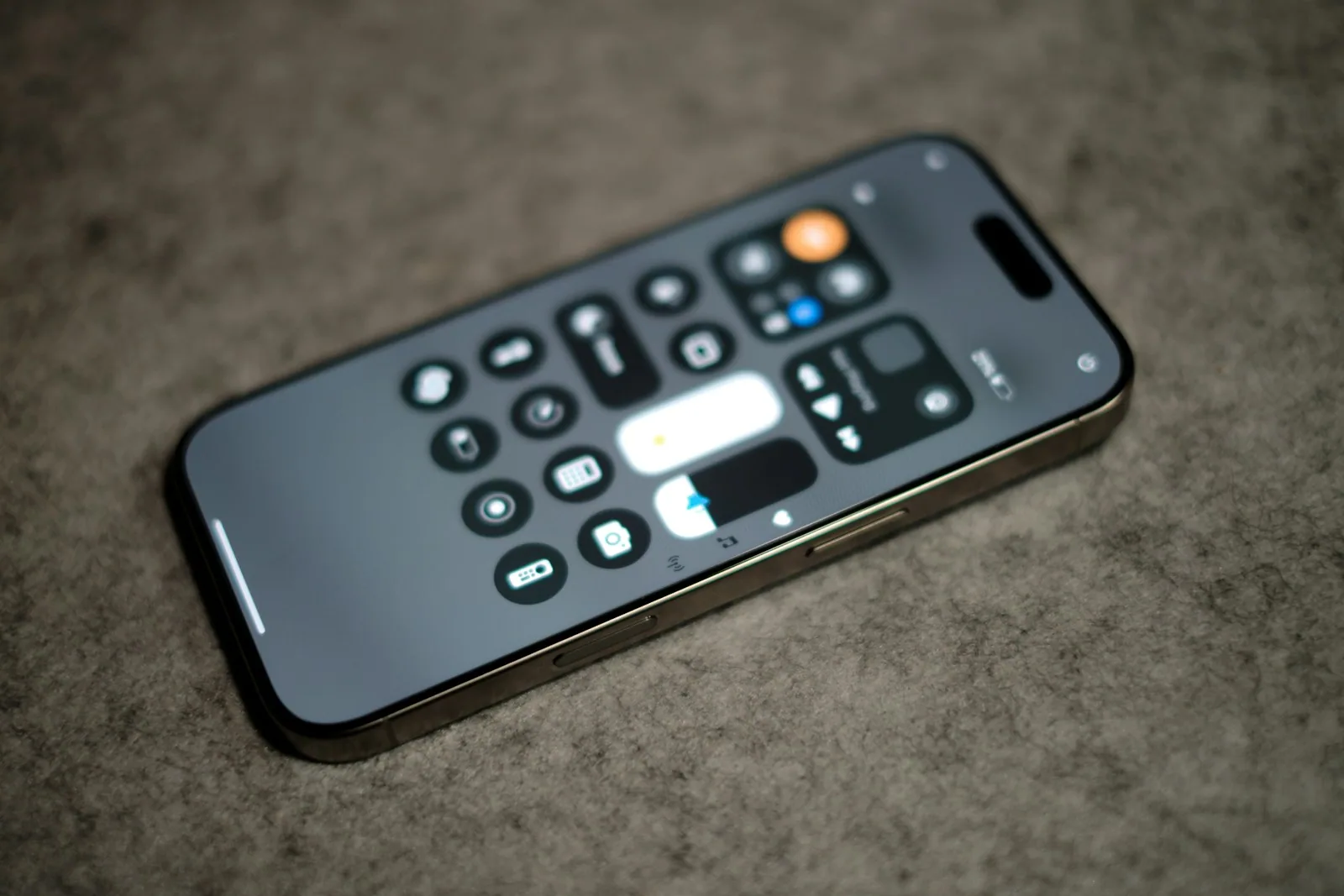
The iPhone 18 arrives in September 2026, breaking a tradition Apple has maintained for nearly two decades: for the first time, the line doesn't debut entirely at the same event. The Pro, Pro Max, and the long-awaited iPhone Fold kick off the cycle in the second half of the year; the standard model and the 18e wait until spring 2027. The justification is technical — production of the A20 Pro chip on TSMC's 2nm process and the new camera module with a mechanical iris — but the practical effect is that 2026 becomes the most ambitious year in iPhone history.
TL;DR — the 5 key points about the iPhone 18
- Split launch in two phases: Pro, Pro Max, and Fold in September 2026; iPhone 18 and 18e in mid-2027.
- A20 Pro chip on 2nm with WMCM packaging: ~15% more performance and up to 30% less power consumption vs. A19 Pro.
- Mechanical iris camera from f/1.6 to f/22 on the Pro Max — the first real variable aperture on an iPhone.
- Battery up to 5,200 mAh on the Pro Max, the largest ever fitted in an iPhone, justified by the 2nm efficiency.
- iPhone Fold starts above £2,000 with a 7.8" internal display.
Split launch: why Apple broke tradition
The decision to split the iPhone 18 cycle into two windows is not a marketing whim. Three factors converged in 2026: limited 2nm capacity at TSMC, the complexity of the new camera module with moving parts, and the simultaneous debut of the company's first foldable. Launching six models at a single September event became unfeasible without compromising stock or margin.
The calendar looks like this:
- September 2026: iPhone 18 Pro, iPhone 18 Pro Max, and iPhone Fold.
- Spring 2027 (March-April): standard iPhone 18, iPhone 18e, and likely a second-generation iPhone Air.
The iPhone Air of 2025 sold below expectations, and Apple decided not to rush a second version. The internal reading was clear: the market prefers battery and camera over record thinness. The new benchmark for the iPhone 18 targets precisely that — autonomy and image quality that sustain a premium price.
What this means for buyers
Those wanting the full package need to wait until September. Those seeking value can wait for 2027 without penalty, as the standard 18 inherits most of the platform innovations — AI, C2 connectivity, and operating system — even without the A20 Pro.
A20 Pro chip on 2nm: the technical leap that changes the game
The heart of the iPhone 18 Pro is the A20 Pro, Apple's first chip manufactured on TSMC's N2 process. The shift from 3nm to 2nm may not sound dramatic on paper, but the real impact lies in two areas that affect daily use.
The first is efficiency. Estimates based on TSMC's public specifications point to roughly 15% improvement in raw performance and a 25% to 30% reduction in power consumption under equivalent loads. For those who use the device as a work tool — camera, editing, on-device AI — this translates into more screen time.
The second is packaging. The A20 Pro adopts Wafer-Level Multi-Chip Module (WMCM), a technique that places CPU, GPU, Neural Engine, and RAM on the same silicon die before cutting. Latency drops, internal communication consumes less energy, and heat is better distributed. This is the first time Apple has applied this at consumer scale.
Why this matters for developers
Neural Engine floating-point performance should see a significant jump, opening the door for generative AI models running locally — no round-trip to a server. For teams building apps with embedded AI, the iPhone 18 Pro becomes the reference platform for the next 24 months. The same reasoning applies to custom Moodle apps with push and offline processing: more efficient hardware means features once restricted to the top tier become an acceptable baseline.
Mechanical iris camera: the iPhone that finally has variable aperture
The most novel feature of the iPhone 18 Pro Max is the main camera with a true mechanical iris — physical blades controlling the aperture between f/1.6 and f/22. The component is produced by Sunny Optical, a Chinese supplier that started production of the actuators in April 2026.
Until now, iPhones used a fixed aperture: the device controlled exposure via ISO and shutter speed. With a mechanical iris, three things change:
- Real depth of field: blur comes from optics, not algorithms. Portraits gain dedicated camera quality.
- Strong light control: f/22 allows exposing bright outdoor scenes without blowing highlights or resorting to an ND filter.
- Cinematic video: variable aperture during recording unlocks focus transitions impossible with fixed sensors.
The cost of the feature
Moving parts increase mechanical risk and require more power. That's precisely why the leap to 2nm makes sense now — the chip's efficiency subsidises the optical module's power draw. Without the A20 Pro, the iris would not be viable within the thermal envelope of the iPhone 18 Pro Max.
Display, battery, and design: what changes on the Pro Max
Physical dimensions follow the iPhone 17 Pro: 6.3" on the Pro and 6.9" on the Pro Max. The difference lies in the details:
| Feature | iPhone 17 Pro Max | iPhone 18 Pro Max |
|---|---|---|
| Process | 3nm (A19 Pro) | 2nm (A20 Pro) |
| Battery | ~4,700 mAh | 5,100-5,200 mAh |
| Main camera | f/1.78 fixed | f/1.6-f/22 variable |
| Peak brightness | 3,000 nits | Estimated +20% |
| Dynamic Island | Current | Reduced (partial under-display Face ID) |
| Modem | C1 | C2 |
Apple is also testing a new Dark Cherry finish — a deep cherry with a purplish tint — alongside light blue and classic shades. The Dynamic Island shrinks because some Face ID sensors move under the display. The front camera remains in the cut-out for now; full-screen scanning is slated for 2027.
iPhone Fold: Apple's first foldable enters the game
The iPhone 18 gains an unprecedented companion: the iPhone Fold, Apple's first foldable. Leaked specifications point to a 5.5" external display and a 7.8" internal display in a book format, a reinforced hinge, and minimal crease — Apple arrived late, but arrived with the engineering that Korean and Chinese rivals lacked.
The entry price is expected to exceed £2,000 in the UK, making it the most expensive iPhone ever. The proposition is not volume — it's establishing a presence in a format that grows 30% annually globally.
For businesses, the Fold opens an interesting mobile productivity scenario: a larger screen enables dashboards, spreadsheet editing, and customer support via the official WhatsApp Business API for critical cases without needing to carry a tablet.
Apple Intelligence: the AI that justifies the upgrade?
Apple Intelligence arrived in 2024 and matured slowly. With the iPhone 18 Pro, it gains the hardware it always needed. Three fronts concentrate the evolution:
- Larger local models: the A20 Pro's Neural Engine should run 7B to 13B parameter LLMs without resorting to the cloud, keeping sensitive data on the device.
- Real-time image generation: Image Playground promises latency in seconds rather than tens of seconds, with quality comparable to hosted services.
- Simultaneous language translation: live communication in calls and messages with local transcription, without sending audio to a server.
The critical point is privacy. On-device processing is Apple's real differentiator versus Google and Samsung — and the iPhone 18 Pro becomes the first device in the line to make this viable for heavy tasks. For those working with customer data, the equation changes: powerful AI without sending content off-device is a technical argument, not just marketing.
Use cases that become viable
Some scenarios previously unfeasible on a smartphone now run natively on the iPhone 18 Pro: analysis of confidential documents without external upload, medical transcription in a clinic compliant with UK GDPR, video editing with real-time generative AI object removal, and corporate assistants with access to local CRM. For legal, financial, and healthcare teams, this unlocks workflows that previously required a dedicated workstation or a cloud service with a heavy data processing contract.
The cost of not migrating also changes. Competing tools that rely on sending data to a third-party server remain a compliance barrier in regulated sectors — and the iPhone 18 Pro becomes a reference to justify extra hardware spend as operational risk savings in the medium term.
How much will it cost in the UK and when is it worth waiting for?
Estimates for the UK convert US prices with current taxes:
- iPhone 18 Pro 256 GB: ~£1,099 (US$1,099 in the US).
- iPhone 18 Pro Max 256 GB: ~£1,199 (US$1,199 in the US).
- iPhone Fold 256 GB: £2,000+ (US$2,000+ in the US).
- Standard iPhone 18 (2027): ~£799 estimated.
Official prices are only released at Apple's UK announcement, typically 30-60 days after the September event. Recent history suggests the initial price holds firm for 6 months before the first drop in end-of-year promotions.
Who should wait and who should buy now
Wait for the iPhone 18 Pro/Pro Max if: you shoot professionally, depend on heavy on-device AI, or plan to keep the device for 4-5 years. The 2nm leap extends perceived lifespan.
Buy the iPhone 17 Pro now if: you need the device for immediate work, don't use the camera as a differentiator, and prefer to amortise cost before the next upgrade cycle.
Consider the standard iPhone 18 (wait for 2027) if: budget is a priority. The real difference from the Pro is in the cameras and chip; in everyday use, the standard delivers 90% of the experience for 60% of the price.
Conclusion: the iPhone 18 is the reset the line needed
The iPhone 18 is Apple's most ambitious cycle since the iPhone X in 2017. Not because of the design — which evolves incrementally — but because of the sum of real technical changes: an unprecedented manufacturing process, a camera with moving parts, a debut foldable, and the maturity of on-device AI. Those who operate technology professionally — developers, IT managers, content creators — find concrete arguments for an upgrade in the new generation, not just marketing.
The price tag for all this is high, and the split launch forces more careful decisions. But for the first time in years, the iPhone is pushing the industry rather than following someone else's trend. It's worth watching closely — and planning your budget if your workflow depends on what this hardware will unlock.
Sources consulted: MacRumors (iPhone 18 Pro and iPhone Fold roundups), 9to5Mac (launch timeline), Yanko Design and Geeky Gadgets (A20 Pro and mechanical iris leaks), Macworld (colours and design), TechRadar and The Verge (UK pricing).
Related posts
AI Definition 2026: What UK Businesses Need to Know
Is your chatbot AI in the eyes of the law? Three 2026 regulations hinge on that answer—and most UK companies aren't ready.
Midjourney V8.2: AI Ad Creatives for UK Marketers in 2026
Draft mode, V8.2, commercial licence and the billion-dollar Hollywood lawsuit: a practical guide to Midjourney for anyone producing ad creatives.
Perplexity AI in 2026: Ready Your Website for AI Agents
Two August 2026 rulings change how AI agents read and use your website. Here's what to do now, in practice.